N26 Blog: Invest

Taxes and investing: What you need to know
When you have investment income, your earnings are likely to be taxed. Here, you’ll learn about the different types of investment income, how they’re taxed, and more.9 min read

Growth vs. value stocks: what you need to know
Stocks are broadly divided into two categories: growth vs. value stocks. Discover the differences, how inflation and interest rates impact them, and how to choose between value and growth investing.5 min read

What is day trading? Strategies and tips on how to start
Some investments need time to grow, but others move fast — just like day trading. This article breaks down the basics and the popular strategies, and covers what not to do when you’re day trading.7 min read
What is scalp trading? An intro to high-speed investing
In trading, scalping is all about speed and precision. Here, learn about the scalp trading strategies and tools scalpers use to try to turn small price moves into big wins.4 min read

What is trend analysis? Making sense of stock market trends
Trend analysis helps you spot patterns and predict future market movements. Learn essential techniques, tools, and applications to make informed decisions in business and investing.5 min read

Bear market: This is what it means
11 min read
Bear market: This is what it means
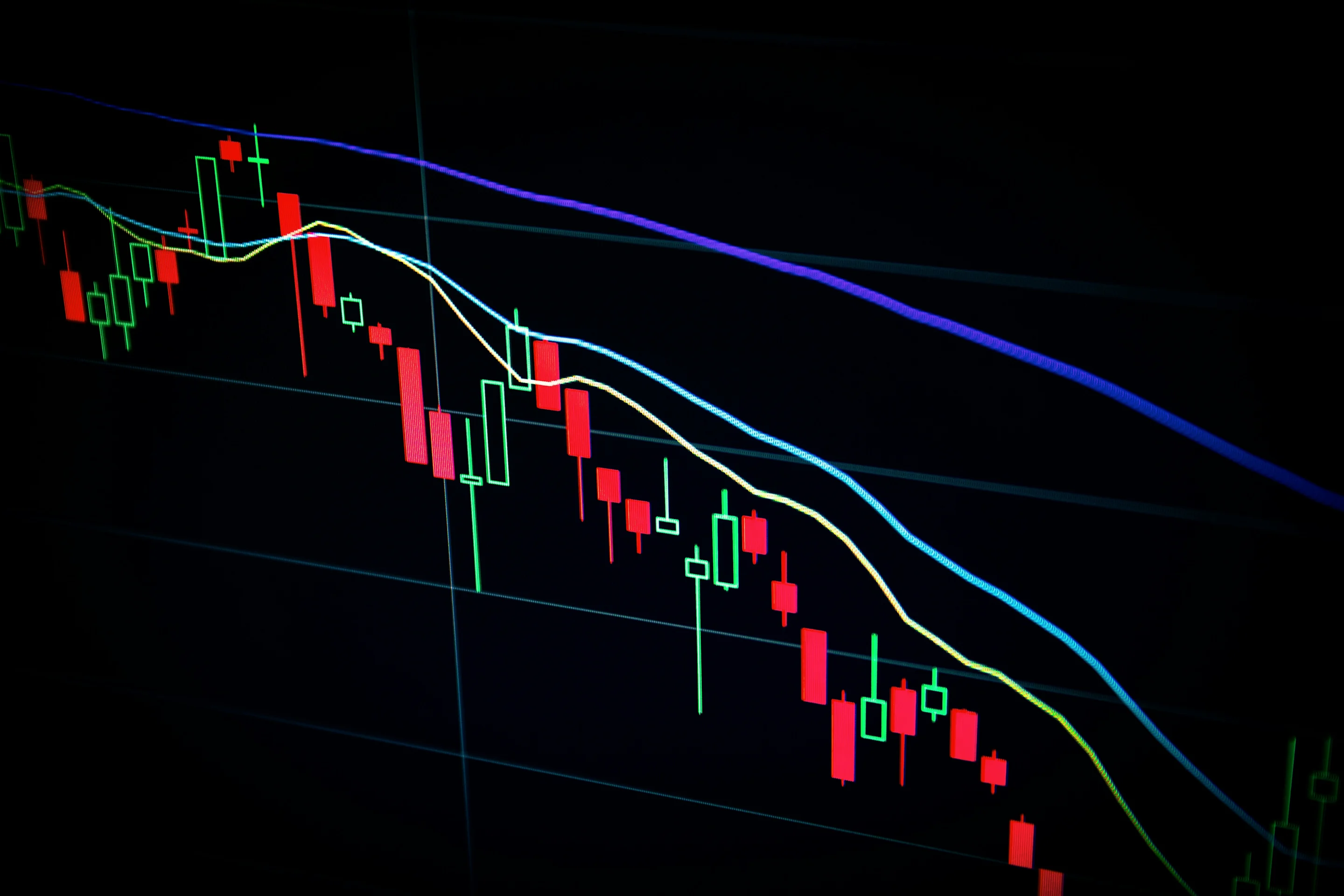
If you think a bear market sounds rather scary, you’re already on the right track. In this article, you’ll learn what a bear market is, why it occurs, how it affects your assets and how long it lasts.11 min read

Bull markets: What they mean for your money
10 min read
Bull markets: What they mean for your money
Not sure what bulls have to do with the financial world? The term is mostly symbolic — but bull markets can have significant effects on your investments. Read on to learn what a bull market is.10 min read

What is volatility?
6 min read
What is volatility?
Here, we explain what volatility means and why fluctuating stock prices can be both a risk and an opportunity.6 min read

An investor’s guide to FOFs: What’s a fund of funds?
A fund of funds (FOF) sounds more complex than it is. Learn more here about what an FOF is, what types there are, and key questions to ask yourself before investing.6 min read
ETFs vs. index funds: What’s the difference?
ETFs vs index funds: What’s the better investment? Learn the differences and similarities between them before deciding which one gets a spot in your investment portfolio.4 min read

Financial leverage: what it is and how to calculate it
Debt isn't always a bad thing. In fact, investors and entrepreneurs can use it as a strategic tool to boost their profits. Here, learn what financial leverage is and how to calculate it.4 min read

What is risk tolerance in investing?
6 min read
What is risk tolerance in investing?
When it comes to risk in investing, the question isn't "if" — it's "how much." Discover here what risk tolerance is and how it shapes your investment strategy and portfolio.6 min read